
- by My Store Admin
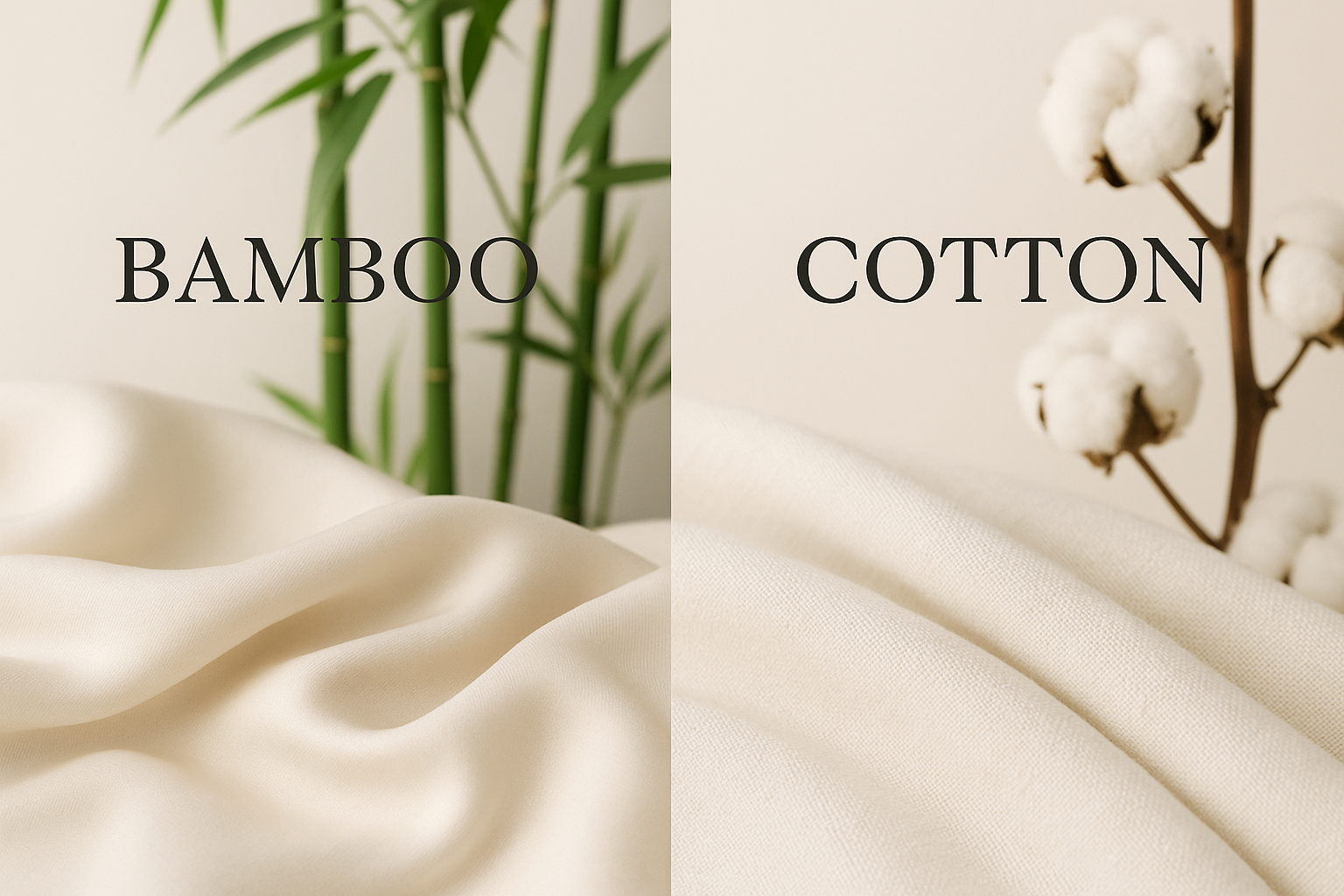
Cotton vs Bamboo clothing for Eczema. Which is Better?
- by My Store Admin
Managing a child's skin sensitivity in Singapore's tropical climate is a constant balancing act between hydration and heat management. While moisturizing is key, the fabric touching your child's skin 24/7 plays an equally vital role. For years, cotton was the undisputed champion; however, bamboo clothing for eczema has rapidly become the preferred choice for parents seeking superior relief for their little ones.
Eczema-prone skin has a compromised barrier, which makes it hypersensitive to friction, heat, and trapped sweat. In a humid environment like Singapore, choosing the wrong material can turn a minor irritation into a full-blown flare-up. Therefore, understanding the technical differences between these fibers is essential.
| Feature | 100% Organic Cotton | Hae Hae Bamboo Blend |
| Texture | Soft, but can become "crisp" or rough after multiple washes. | Consistently buttery-soft; rounder fibers minimize friction. |
| Breathability | High, but fibers swell when wet, reducing airflow. | 20% more breathable; maintains structure even when damp. |
| Moisture Management | Absorbs moisture but holds it, becoming heavy and damp. | Wicks moisture away 3–4x faster than cotton; dries quickly. |
| Temperature Control | Passive; provides a standard layer of warmth/coolness. | Active thermoregulation; keeps skin 2–3°C cooler in the heat. |
While cotton is a natural and safe fiber, it has one major limitation in Singapore: absorbency without evaporation. Specifically, cotton is excellent at soaking up sweat, but it holds onto that moisture. This leaves a damp, salty layer against your child’s skin, which is a primary trigger for the "itch-scratch cycle."
On the other hand, bamboo clothing for eczema excels here because it is naturally moisture-wicking. According to the
If you look at cotton under a microscope, the fibers have tiny, hook-like ends that can catch on sensitive skin patches. In contrast, bamboo fibers are naturally smooth and round. This microscopic "roundness" is what gives our bamboo baby clothes their signature silky feel.
For a child with active eczema, this lack of friction is life-changing because the fabric glides over inflamed areas rather than rubbing against them. Furthermore, our signature blend of 95% bamboo and 5% spandex provides enough stretch to move with your child. This significantly reduces the risk of mechanical irritation throughout the day.
Many parents worry about the chemicals used in textile processing. At Hae Hae, we eliminate that concern by owning our own manufacturing facility in Batam. This allows us to oversee every detail from "Thread to Tag." For instance, we ensure that every newborn bamboo gift set we produce meets the following standards:
OEKO-TEX® Certified: Our fabrics are rigorously tested for over 100 harmful substances, ensuring they are the safest choice for newborns.
Hypoallergenic: Since bamboo is naturally resistant to dust mites and mold, it helps reduce common triggers for skin allergies.
Ethical Production: Because we own the factory, we ensure fair labor practices and premium quality control that third-party sourcing simply cannot guarantee.
Eczema often runs in the family, and sensitive skin does not disappear when a child hits primary school. Because of this, we have expanded our collection beyond the nursery. You can find our specialized, cooling fabric in various categories:
Bamboo Kids Pyjamas: These ensure a cool, scratch-free night’s sleep for older children.
Adult Bamboo Loungewear: Because parents also deserve the same cooling, hypoallergenic comfort.
Bamboo Bedtime Essentials: From crib sheets to pillows, we help create a total eczema-friendly sleep environment.
Share:
How to Choose the Best Pillow for Babies in Singapore
How Many Pieces of Clothes Do I Need to Buy for My Newborn Baby?